So you’re building a new house or finally getting that office space off the ground. Congratulations. You’ve got a million decisions to make, from floor finishes to light fixtures. And then there’s the ceiling. Honestly, most people just default to the standard drywall and knockdown texture. It’s what they know. But that’s a missed opportunity. Your ceiling is a massive, uninterrupted canvas—often 300 square feet or more in a single room. Treating it as an afterthought is, well, a bit of a design crime.
Here’s the thing — the ceiling you choose impacts everything. The perceived height of the room, the quality of light, the acoustics, even how long you can go between paint jobs. For over eight years, I’ve seen the good, the bad, and the ugly overhead. And I’d argue this matters more than people think.
Let’s talk about your options. You’re basically looking at two paths: the traditional route (drywall, plaster, maybe some tiles) and the modern, installed-in-a-day route: the professional stretch ceiling. This isn’t about pushing one over the other. It’s about giving you the clear, slightly opinionated lowdown so you can decide what fits your project. Sound familiar?
The Traditional Route: Drywall & Plaster
Look, drywall is the default for a reason. It’s familiar to every contractor in the country. The material costs are relatively low—you’re looking at roughly $2 to $4 per square foot for materials, before labor. It’s paintable, so you can match any color scheme you dream up. And it feels solid. There’s a psychological comfort in that.
But. And there’s always a but.
The process is messy. A 2022 industry survey by the National Association of Home Builders found that drywall installation and finishing consistently rank in the top five for on-site dust and debris complaints. We’re talking joint compound dust that gets everywhere. The timeline isn’t quick, either. Between hanging, taping, mudding, sanding (so much sanding), and painting, you’re easily looking at a week per room, depending on crew size and drying times.
Then there’s the long-term reality. Drywall cracks. It absolutely does, especially in new constructions as the building settles. Those hairline fractures at the corners are practically a rite of passage. Moisture is its mortal enemy—a small leak can mean a sagging, stained patch that needs cutting out and replacing. Not a fun discovery.
Your ceiling isn’t just the ‘fifth wall.’ It’s the most permanent fixture in the room—you interact with it through light and space, not touch. Choosing it based solely on initial cost is a classic mistake.
The Modern Contender: Stretch Ceilings
Now, this is where it gets interesting. A stretch ceiling is exactly what it sounds like: a lightweight PVC or fabric membrane that’s stretched taut across a custom-made perimeter track. It’s installed in a single day—clean, no dust, no drying time. They’ve been huge in Europe for decades and have gained serious traction here since around 2019.
The benefits are pretty compelling. That one-day installation is a game-changer for commercial refits or homeowners who can’t live in a construction zone for weeks. There’s zero mess. The material is impervious to water; if you get a leak upstairs, the membrane will hold the water like a basin until you can fix the issue, preventing damage to your actual property. Then you just drain it and re-tension it. No replacement needed.
And the design flexibility is where it truly shines. You aren’t just picking a paint color. You’re choosing a finish and effect.
- Matte: A soft, non-reflective surface that hides imperfections and creates a calm, uniform look. My personal favorite for bedrooms and offices.
- Glossy: Creates incredible depth by reflecting light and the room below. It can make a standard 8-foot ceiling feel way taller. The catch? It shows every imperfection in the sub-ceiling, but that’s the point—the stretch membrane hides it all.
- Satin & Fabric: The middle-ground textures. Satin has a soft sheen, while fabric options (usually polyester-based) offer superb acoustics, absorbing up to 30% more sound reverberation than hard surfaces according to generic manufacturer testing.
Then you get into the custom stuff. Multi-level ceilings with built-in lighting coves. LED backlit ceilings that turn the entire surface into a gentle, shadow-free light source. You can even print high-resolution images directly onto the membrane. It’s a ton of possibility.

The Numbers You Actually Care About
Let’s be real. Cost is a major factor. A stretch ceiling has a higher upfront material cost than basic drywall. But that’s not the whole story. You have to factor in the labor timeline, the lack of long-term maintenance, and that hefty 15-year warranty most professional installers offer. Drywall doesn’t come with a warranty against cracks or moisture damage.
Here’s a quick breakdown of considerations, not just price per square foot.
Point being, you’re comparing apples and architecturally-integrated lighting oranges. The value propositions are completely different.
Making the Choice: Residential vs. Commercial
Your needs shift dramatically depending on whether you’re putting a ceiling over your head at home or over your employees’ heads at work.
For a new house, think about lifestyle. Do you hate the idea of ongoing maintenance? Is a fast renovation timeline crucial because you’re living there? The acoustic benefits of a fabric stretch ceiling in an open-plan living area or home theater are legit. And that LED backlit option in a kitchen or master bath? It provides stunning, even task lighting without a single visible fixture. Pretty much a win.
But not everyone agrees on this. Some folks just prefer the solid, traditional feel of plaster. Your mileage may vary, and that’s okay. The data on home resale value is a bit mixed—while a stunning custom ceiling can be a wow factor, it’s not as quantifiable as a kitchen remodel.
For a commercial project—an office, retail store, or restaurant—the calculus changes. Downtime is revenue lost. The ability to install a complete ceiling system over a weekend is a massive advantage. Durability and hygiene are paramount; a seamless, non-porous stretch ceiling that can be wiped down is ideal for medical offices or kitchens. And the modern, sleek look aligns with most contemporary brand identities.
- Assess Your Priority: Is it speed, minimal disruption, design, or lifetime cost?
- Get the Real Quote: Always, always get that free measurement and quote. For drywall, this means a detailed bid including all finishing and painting. For stretch, it means a precise measurement for the custom membrane.
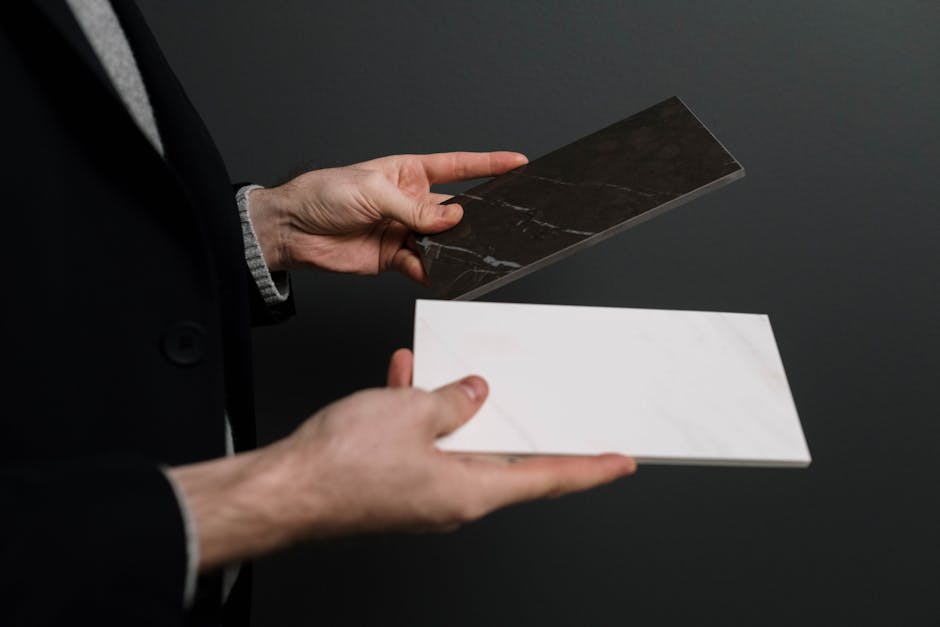
- See & Feel Samples: Don’t pick a finish from a tiny swatch. Any reputable company will show you large samples, because light plays on these surfaces in a big way.
- Check the Warranty: That 15-year warranty isn’t just a number. Read what it covers—material integrity, sagging, yellowing. A drywall finisher might guarantee their work for a year, if you’re lucky.
In commercial design, the ceiling is often the first plane to show wear and age. Choosing a solution that resists stains, scuffs, and water damage isn’t an upgrade—it’s a strategic investment in the space’s longevity.
Common Pitfalls to Avoid
This gets overlooked way too often. With drywall, the pitfall is all in the execution. A rushed sanding job or poor priming will show through your beautiful paint in a year. With stretch ceilings, the pitfall is almost entirely in the installation. This is not a DIY project. Not even a little bit.
The precision of the perimeter track is everything. The heating and stretching of the membrane require specific tools and experience. A bad install means visible wrinkles, improper tension, or worse. You’re hiring expertise, not just a product. So check portfolios, ask for references, and make sure they’re insured.
Another thing? Don’t forget about access panels. You’ve got electrical junctions, plumbing shut-offs, and HVAC dampers up there. Any professional installer will seamlessly integrate accessible panels into the design. Just make sure you point out every single access point you need during the measurement phase.
Frequently Asked Questions
Can a stretch ceiling be installed over my existing popcorn ceiling?
Yes, and that’s one of its biggest advantages. The track system creates a new, level plane typically 3 to 6 inches below your existing ceiling. It encapsulates the old ceiling perfectly, saving you the horrific cost and mess of removal. It’s a fantastic renovation solution.
How is lighting installed with a stretch ceiling?
All your wiring and electrical boxes remain on the original ceiling. The stretch membrane is installed with precision-cut holes and reinforced rings for light fixtures. Recessed cans, pendant mounts, and even complex LED systems are then attached through the membrane to the structural ceiling above. It’s all very integrated and clean.
Is it true they can be damaged easily?
Not really. The PVC membranes are surprisingly tough—you’d have to intentionally puncture them with something sharp. They’re also safe; most are Class A fire-rated. That said, in a scenario with very sharp objects moving at high speed (maybe a warehouse?), a fabric option might be recommended for its slight self-healing properties. For homes and offices, it’s a non-issue.
What about cost compared to a high-end drywall finish?
This is where the gap closes. A basic knockdown texture is cheap. But a level-5 smooth drywall finish (the ultra-flat, gallery-quality one) involves multiple skilled coats and sandings. The labor cost skyrockets. When you compare a premium drywall finish to a standard matte stretch ceiling, the prices can be surprisingly comparable. The stretch ceiling just gets you there in one-tenth of the time with a warranty.
Can they be removed later if I change my mind?
They can. The perimeter track is unscrewed from the wall, and the membrane is taken down. The walls will have a small reveal or gap where the track was, which would need to be patched and painted. Your original ceiling underneath will be untouched. It’s more reversible than plaster, less reversible than paint.